/filters:format(jpeg,png)/fit-in/300x300/guide_websites/21831/images/473389979_1293257738686895_5931256073426128839_n.jpg)
/filters:format(jpeg,png)/fit-in/237x80/guide_websites/21831/images/473389979_1293257738686895_5931256073426128839_n.jpg)
Arizona Bighorn Sheep Hunting Explained
%2Ffit-in%2F1000x1000%2Ffilters%3Aformat(webp)%2Fguide_websites%2F21831%2Fimages%2F1739287250663image37.png&w=1920&q=75)
Published: July 7, 2026
For most hunters, only a few can compare to drawing a tag for Arizona bighorn sheep hunting. It's the kind of opportunity that may only come around once in a lifetime, which is why many sportsmen spend years applying for the chance. Harvesting a mature ram isn't just another successful hunt. It's often considered one of the highest accomplishments in North American big game hunting.
There's a reason Arizona is always part of the conversation when hunters talk about world-class sheep hunting. Healthy herds, excellent genetics, and carefully managed terrain have helped produce some of the finest bighorn sheep in North America. Careful wildlife management has helped maintain outstanding sheep populations while protecting the quality of its hunts. As a result, these bighorn sheep hunts is one of the most sought-after tags in the West.
Whether you're researching bighorn sheep hunting opportunities, comparing local hunting outfitters, or learning how the draw system works, understanding what makes these hunts so unique can help you prepare for the opportunity if your name is ever drawn.
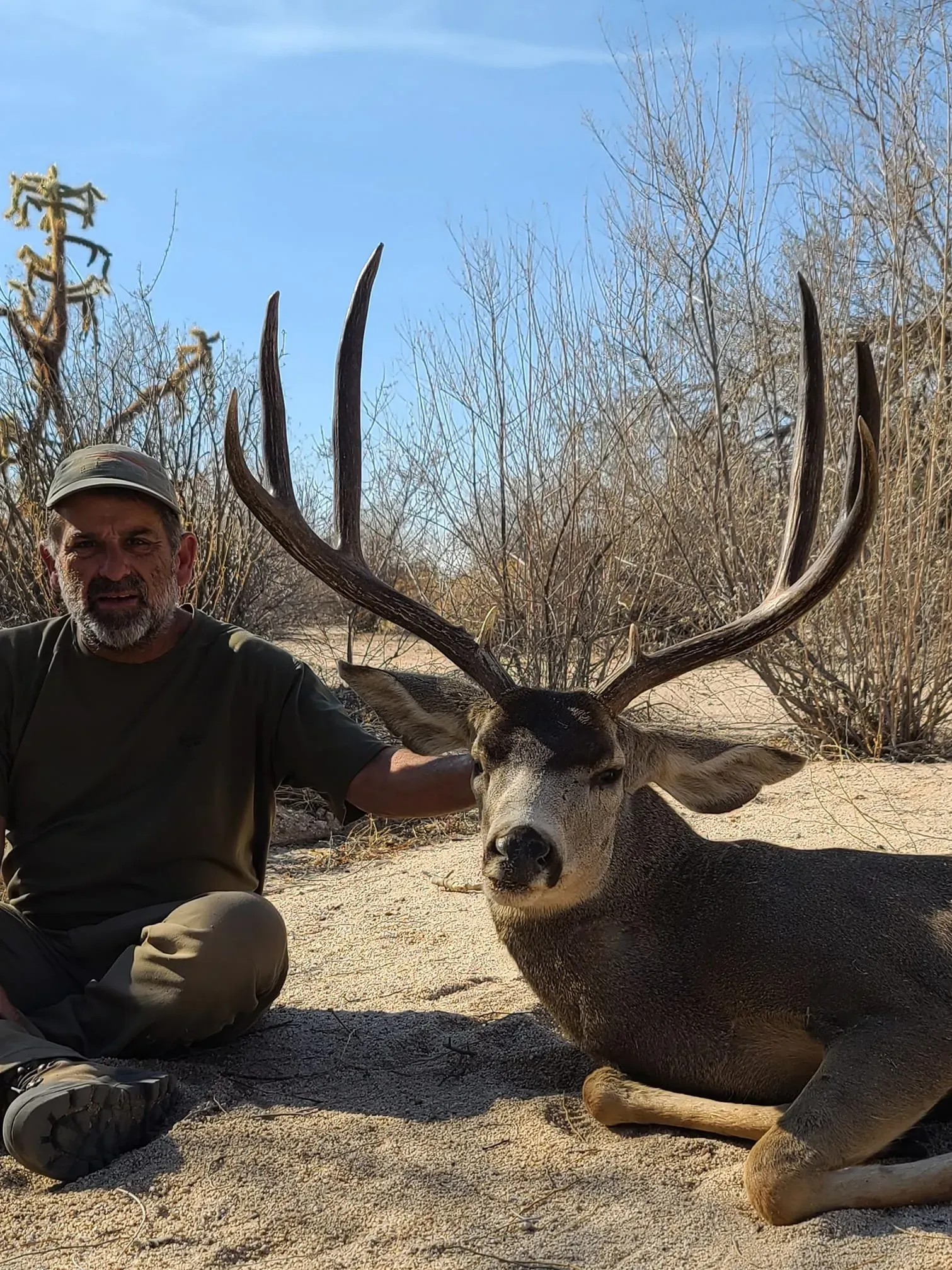
While most sportsmen visit for mule deer hunts, Coues deer hunts, or elk season, most agree that sheep hunting here represents the pinnacle of western hunting.
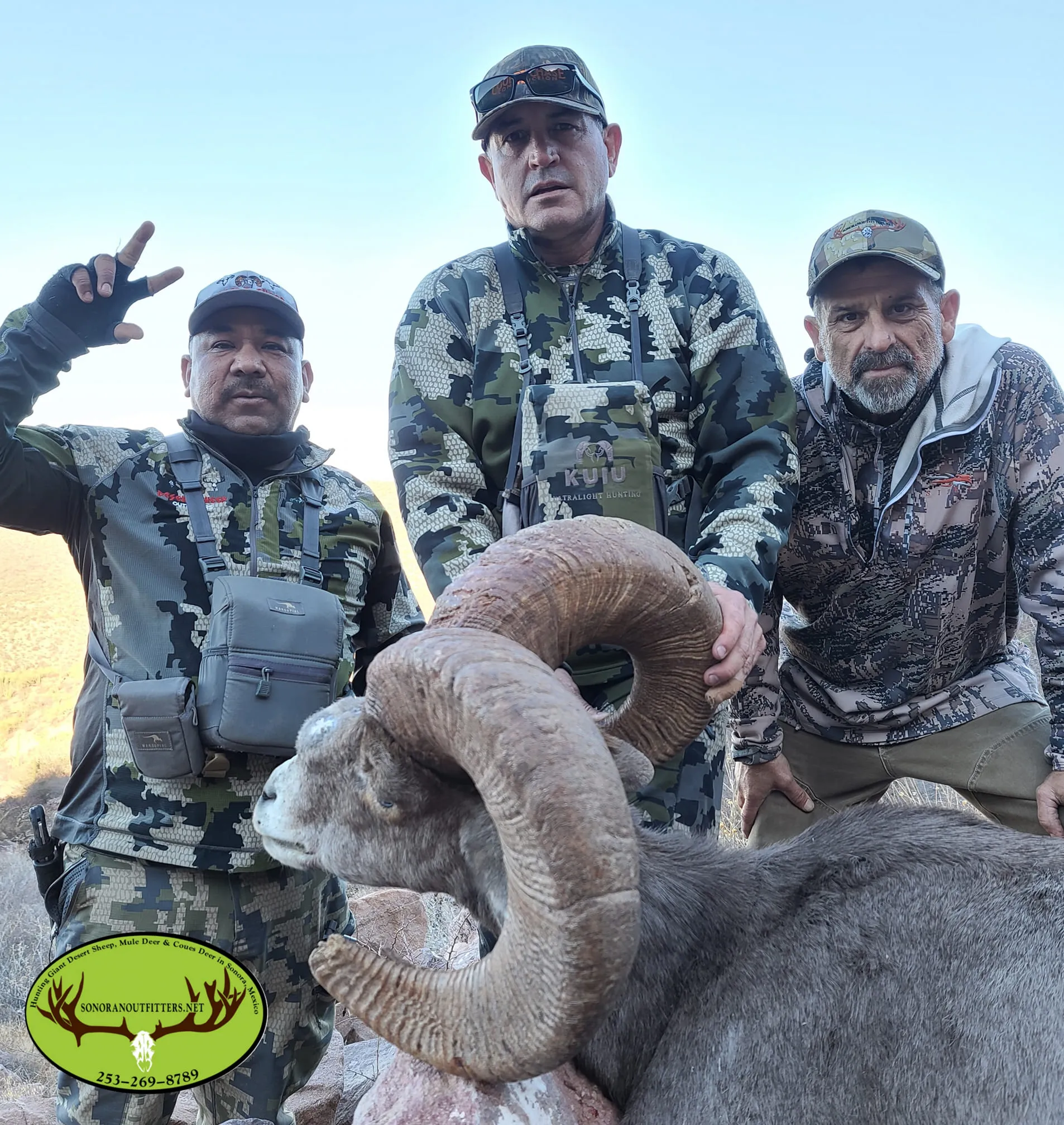
Understanding Arizona's Bighorn Sheep
The state is home to two different populations of bighorn sheep. While both offer incredible hunting experiences, each experience lives in a very different environment and presents its own challenges.
Desert Bighorn Sheep
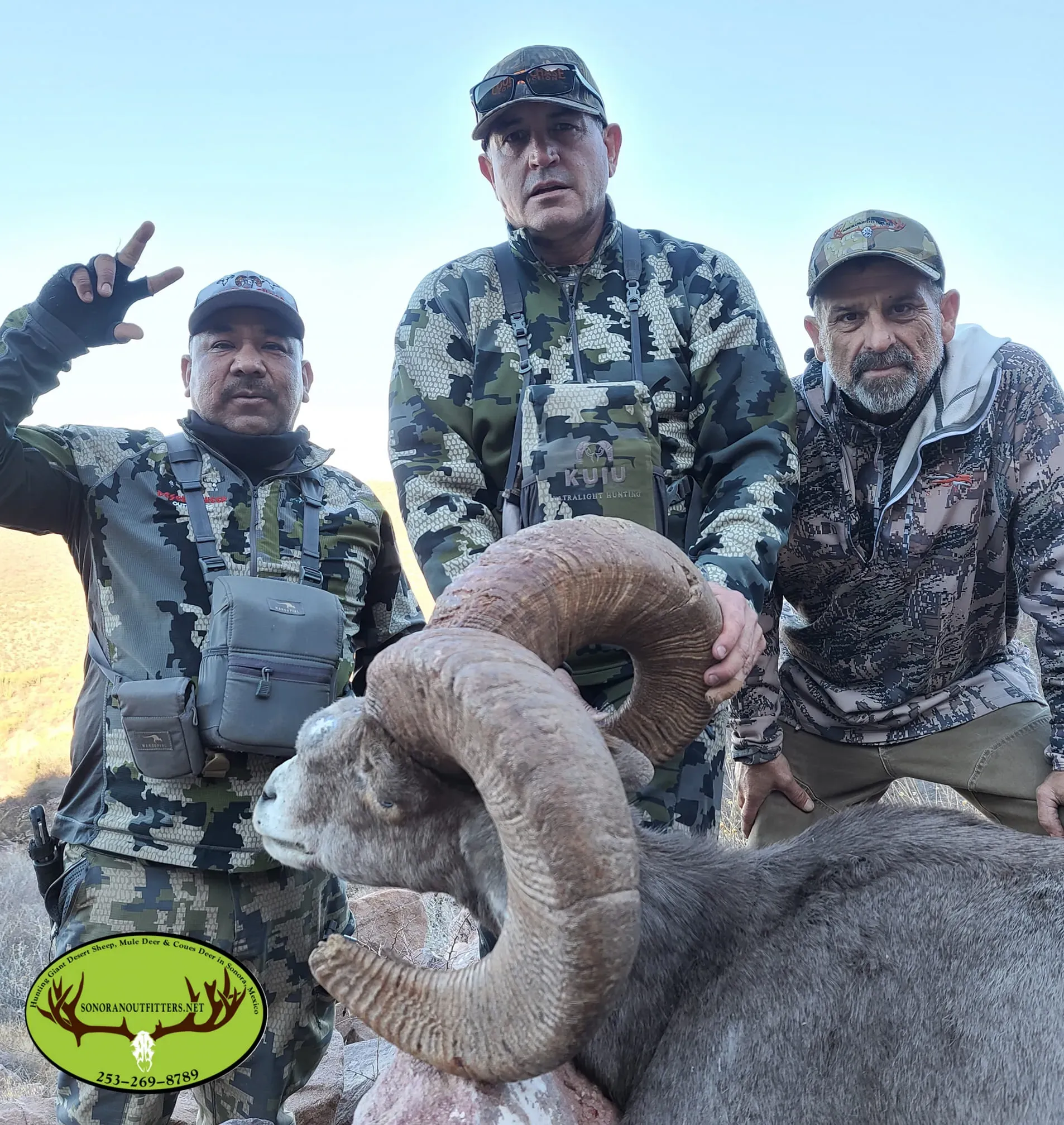
The desert bighorn is the species most hunters picture when they think about bighorn sheep hunting in the Southwest. These kinds of sheep live among steep canyon walls, rocky mountains, and dry desert landscapes where they rely on incredible agility to escape predators.
Their ability to survive in harsh conditions is remarkable. They easily travel rugged cliffs and can go long periods with limited water, making them perfectly suited to this arid terrain.
Southern reaches of the state have become well known for producing outstanding mature rams. Most experienced hunting guides consider these areas among the finest sheep hunting destinations in North America, with some rams reaching impressive Boone and Crockett scores. For the patient hunter willing to put in the miles, the payoff can be a ram of a lifetime.
Because of the quality of these herds, hunters may need to spend many years building bonus points before finally drawing one of these coveted bighorn sheep hunts.
Rocky Mountain Bighorn Sheep
While far less common, Rocky Mountain bighorn sheep also call parts of the state home. These sheep occupy higher elevations where forests, rugged ridges, and cooler climates replace the open desert.
Compared to desert sheep, these bighorns are usually larger-bodied with heavier horns. The terrain is different, the scenery changes, and the overall mountain hunting experience has its own appeal. Most hunters compare these areas to portions of Colorado, where similar bighorn sheep are also highly prized.
Permits for these hunts are extremely limited, making them some of the rarest tags issued by the Arizona Game and Fish Department each year.
Why This State Ranks Among the Best for Bighorn Sheep Hunting
There are several reasons why this state consistently ranks among the top destinations for sheep hunters.
For decades, the Arizona Game and Fish Department has focused on protecting sheep populations through habitat improvement, conservative tag allocations, and ongoing wildlife management. There is also a continued investment in restoring quality terrain which has allowed populations to thrive across many mountain ranges. Protecting that terrain is one of the biggest reasons herds continue thriving year after year. Instead of issuing large numbers of permits, wildlife managers limit opportunities so mature rams have more time to reach their full potential.
That approach has helped produce some of the highest-quality bighorn sheep hunting found anywhere in North America.
Another advantage is the amount of accessible public land. Hunters can explore remote mountain ranges filled with quality habitat, whether they choose to hunt on their own or hire experienced local outfitters.
Most outfitters who specialize in bighorn sheep hunting also offer mule deer hunts, Coues deer hunts, and other opportunities, giving returning clients chances to experience several of the state's premier big game seasons.
Thanks to decades of careful conservation, hunters fortunate enough to draw a sheep tag often enjoy excellent success rates under favorable conditions.
Best Bighorn Sheep Hunting Units
Every hunting unit has something a little different. Some are known for producing larger rams, while others give hunters slightly better draw odds or easier access to quality terrain.
Southern desert units are one of the most popular because they consistently produce exceptional mature rams. Areas throughout Yuma County have also earned national recognition for producing impressive Boone and Crockett entries year after year.
Other highly regarded units feature rugged desert mountains, deep canyons, and remote cliffs where sheep spend much of their time. These locations usually require long hikes, careful glassing, and excellent physical conditioning, but they also reward hunters with unforgettable experiences. Every hunter should remember that success is not measured only by harvesting a mature ram. For many, simply seeing wild sheep in their natural environment is the experience of a lifetime, and every person who draws a tag becomes part of a small group fortunate enough to pursue this remarkable species.
Anyone researching Arizona bighorn sheep hunting explained should also spend time reviewing annual harvest reports, population surveys, and draw statistics before applying. Most experienced hunting guides recommend choosing a unit based on realistic draw odds and long-term hunting goals rather than chasing trophy numbers alone.
Several mule deer outfitters also possess extensive knowledge of nearby sheep country, making them valuable resources when selecting units or preparing for a future hunt.
Understanding the Sheep Tag Draw System
Drawing a sheep tag is never easy, and that's exactly what makes these hunts so special.
Each unsuccessful application earns a hunter one bonus point, slightly improving their chances in future drawings. A portion of the available permits is awarded through the bonus point system, while the remaining tags are distributed randomly among eligible applicants.
Even hunters who have applied for many years are never guaranteed a permit.
For non-residents, the odds become even more challenging because there are only a limited number of tags available outside the state each year.
Still, thousands of hunters continue applying every season because the reward is worth the wait. A successful draw means access to some of the finest bighorn sheep hunting found anywhere in the West.
Working with experienced local outfitters or knowledgeable hunting guides can also help applicants identify the best opportunities based on their accumulated bonus points and preferred hunting units.
Best Time For Bighorn Sheep Hunting
Most bighorn sheep hunts occur between October and December, although exact dates vary by unit.
October has mild temperatures and highly active sheep, making it easier to locate bachelor groups before the breeding season.
November brings cooler weather and increased ram movement throughout the mountains.
December is usually considered the premier month, as mature rams become more visible during the rut. Cooler temperatures can also make long hikes across this rugged terrain considerably more manageable.
Regardless of the season, weather conditions can change rapidly, especially across higher elevations where snow may fall while lower desert units remain warm and dry.
What To Expect During A Sheep Hunt
Every bighorn sheep hunting adventure begins long before opening day.
Most successful hunters spend days scouting, hiking, and glassing mountain ranges before locating a mature ram. Once a suitable sheep is spotted, the real challenge begins.
Sheep hunts require climbing steep cliffs, navigating loose rock, and covering several miles each day. Hunters usually spend hours behind binoculars or spotting scopes before making a careful stalk.
Unlike mule deer or Coues deer hunting, sheep hunting has very few second chances. Patience, physical endurance, and careful shot placement are essential.
Most experienced hunters describe the sheep hunting experience as one of the most rewarding adventures of their lives.
Essential Gear For Sheep Hunting
Quality equipment makes the difference between success and failure.
Premium binoculars and spotting scopes are essential because most rams are located from long distances.
A lightweight rifle capable of accurate long-range shooting is recommended, along with durable boots designed for rocky terrain.
Hydration systems, trekking poles, lightweight backpacks, and layered clothing are equally important for navigating the region's changing conditions.
Most hunting guides also recommend carrying GPS navigation, satellite communication devices, and emergency survival equipment due to the remote nature of many sheep units.
Trophy Expectations
Arizona consistently produces outstanding desert bighorn rams.
Most mature rams exceed Boone and Crockett minimum scores, while truly exceptional trophies surpass 180 inches.
Because permit numbers stay limited, hunters usually enjoy excellent age structure throughout these herds. Rather than simply harvesting any legal ram, most hunters spend several days evaluating multiple mature animals before making their final decision. For the discerning hunter, that extra patience often makes all the difference.
This commitment to quality is one reason these bighorn sheep hunts is one of the most prestigious big game hunts in North America.
Guided Hunts vs DIY Hunting
Because drawing a sheep tag is so rare, most hunters choose to hire professional local outfitters.
Experienced guides understand local sheep behavior, know productive glassing locations, and can significantly improve the odds of locating mature rams.
DIY hunting is an option for experienced western hunters, particularly those familiar with this rugged mountain terrain. However, even seasoned hunters often recruit friends or experienced spotters to help locate sheep during the hunt.
Many outfitters also specialize in mule deer hunts, Coues deer hunting, elk hunts, and combination packages, allowing hunters to return for additional western adventures after their sheep hunt.
Frequently Asked Questions
How difficult is it to draw a sheep tag?
Arizona has some of the most difficult draw odds in North America. Many hunters apply for decades before receiving a permit.
What is the best area for Arizona bighorn sheep hunting?
Southern units are recognized for producing exceptional desert bighorn rams, while their higher-elevation cousins are found in select northern units.
Should I hire an outfitter?
Most hunters choose experienced hunting guides because drawing a tag is such a rare opportunity. Professional guidance often increases success while providing valuable local knowledge.
Can I combine sheep hunting with other hunts?
Many outfitters offer opportunities for mule deer hunts, Coues deer hunting, and other big game species during different seasons.
Final Thoughts
For many sportsmen, this style of bighorn sheep hunting represents the pinnacle of western hunting. The combination of breathtaking landscapes, physically demanding terrain, and world-class trophy potential creates an unforgettable adventure unlike any other.
Whether you're applying for your first tag or have spent years building bonus points, careful planning, quality equipment, and realistic expectations will help maximize your opportunity. Working with experienced hunting guides or reputable outfitters will improve your chances of success when your long-awaited tag finally arrives.
From legendary bighorn sheep hunts to future mule deer hunts or Coues deer hunting, Arizona remains one of North America's greatest destinations for serious big game hunters.
%2F%2Fguide_websites%2F21831%2Fimages%2F1739281140646image7.png&w=1920&q=75)